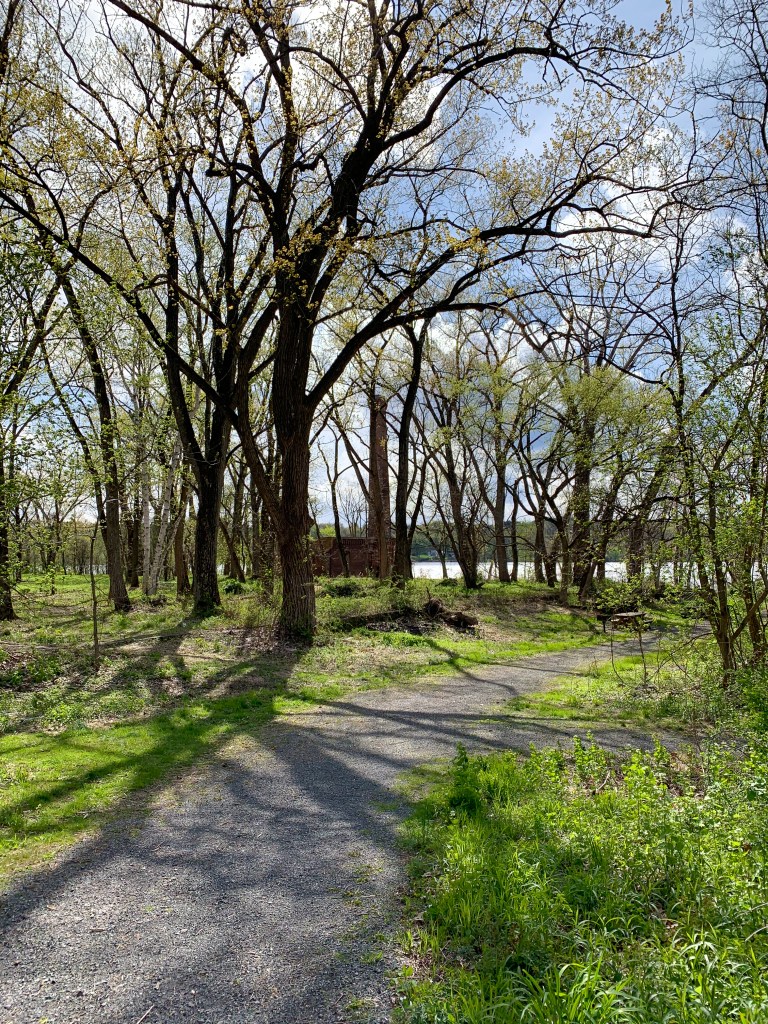
Shaded among the trees, lining the eastern shore of the Hudson River, lies the ruins of a grand ice house. Once a common site along the Hudson between Poughkeepsie and Albany (over 100 at the peak in the 1880’s), very few remnants of the vast industry survive. Stuyvesant, NY is home to what is now the Nutten Hook State Unique area. Visiting, you can see the ruins of the R and W Scott Ice Company Ice House and brick powerhouse.
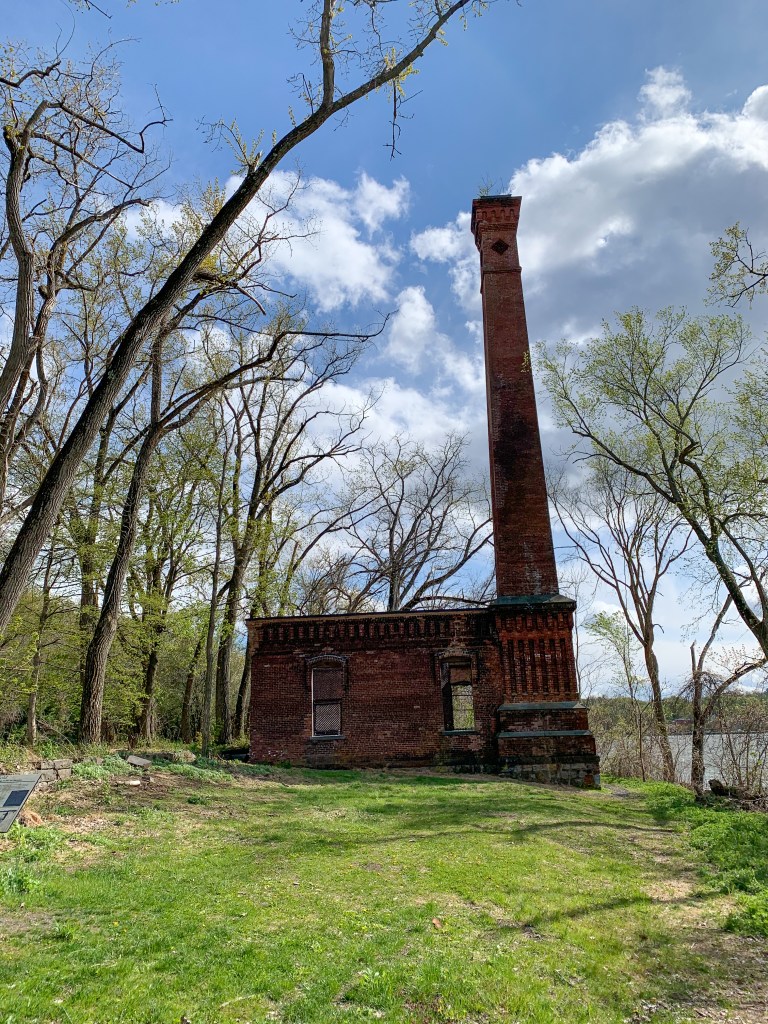
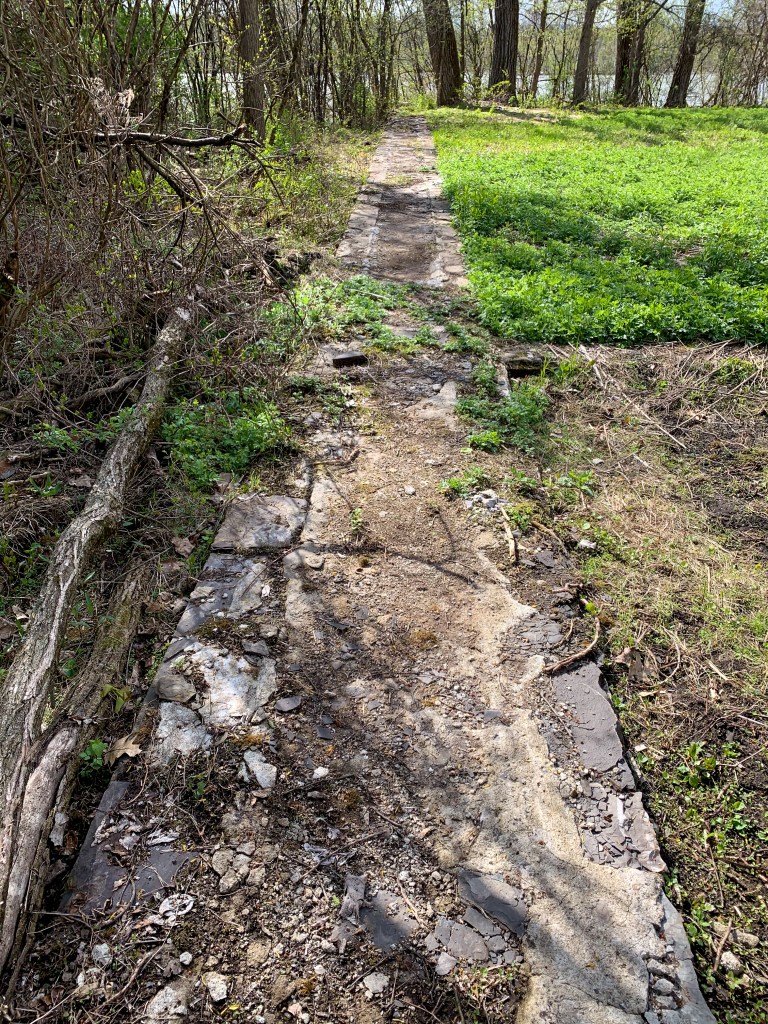
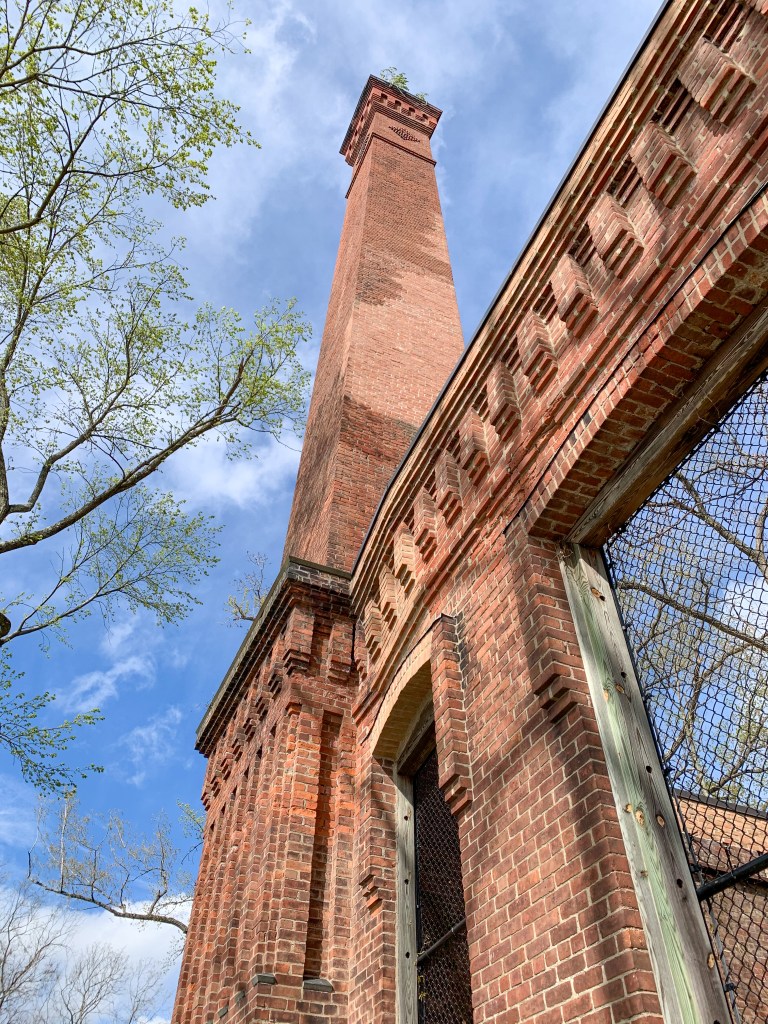
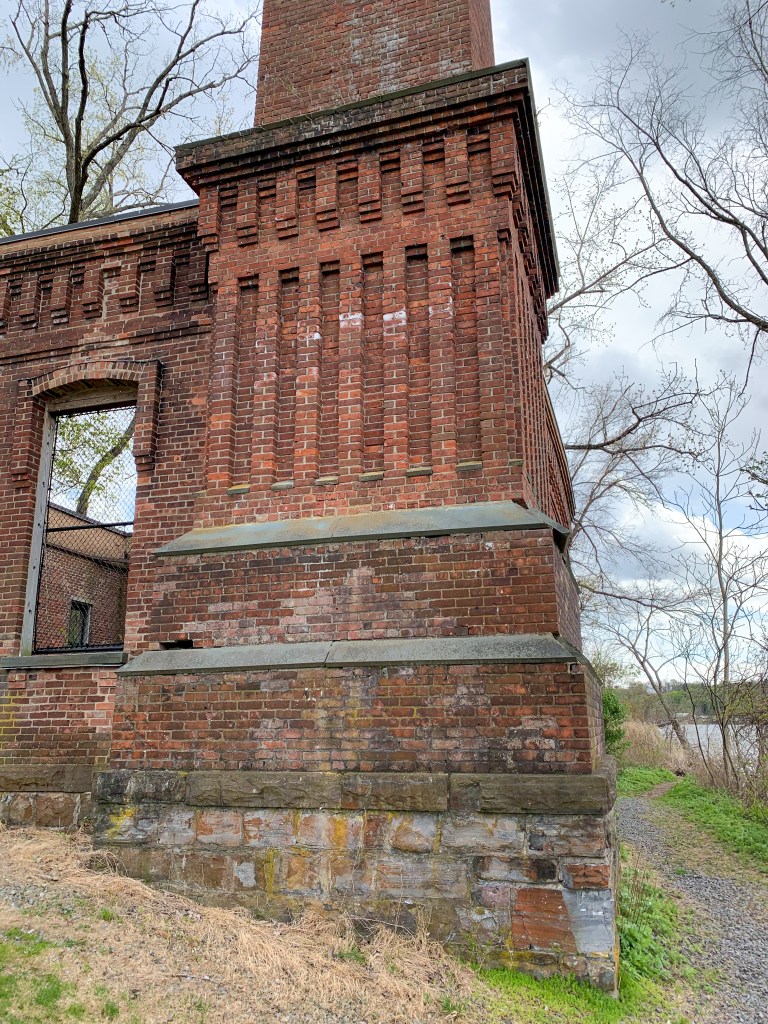
As I exited the parking lot and rounded the bend, I was surprised by the size of the brick powerhouse immediately visible through the trees. Standing nearly 85 feet tall, the chimney towers over the river. Walking closer to the building, I could discern the massive footprint of the icehouse from the surrounding brush. Walls two feet thick, measuring 300 feet long and 200 feet wide, comprised the stone foundation of the structure. Walking along the foundation you can visualize the the building, once the size of a football field. Smaller interior foundations constructed of stone and brick divide the larger structure into twelve chambers measuring 50 feet by 100 feet. At its capacity, the icehouse held 52,880 tons of ice.
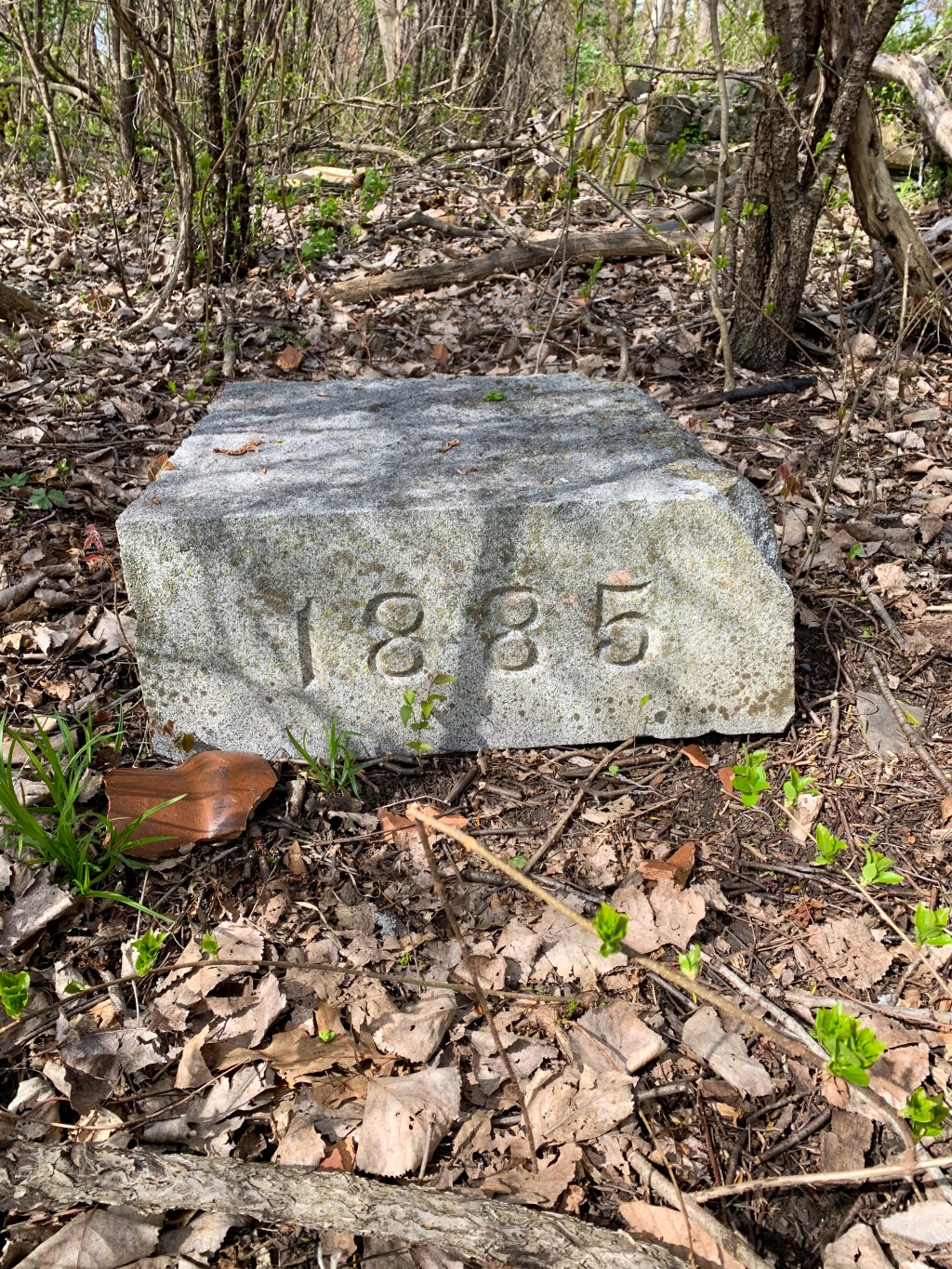
Constructed in 1885 (a cornerstone with the year on it is still visible at the site) the Ice House was constructed to compete in the burgeoning ice industry, initiated in Boston in the early 19th century. The icehouse itself was made of wood-frame construction, typically painted white to deflect heat. The structure was topped with a mansard roof and six dormers, which allowed passage through the upper levels of the house. The powerhouse was built of brick, also topped with a mansard roof to match the icehouse. For such an industrial structure, the intricate details such as the tapered chimney, large arched windows, and diamond shaped finishes show the care put into a building made to last decades.

Around the turn of the century, as outbreaks of Typhoid fever hit the U.S., the sanitary conditions of the ice industry were called into question. Along with the development and popularization of artificial refrigeration in the early to mid 20th century, the ice industry faced a swift decline. In 1900, the Scott Brothers sold their ice house to a larger company; the ice house was then bought again, but production halted soon after.
During the summer of 1934 the ice house burned, leaving only the stone foundation and brick powerhouse we see today. In 1985 the property was nominated and accepted to the National Register of Historic Places; the report considered the site to be the most intact ice house of the period, providing “important evidence of the siting, scale and operation of such facilities.”
In the fall of 2001 the State took action and stabilized the brick walls of the powerhouse. Today, the windows are fenced off to prevent any further destruction. The powerhouse and its foundations stand as a reminder of the vast industries the Hudson once offered.
Sources:
Photo 1: Author Photo, May 2020. Entrance to Nutten Hook Unique Area.
Photo 2: Author Photo, May 2020. North Side of Powerhouse and Chimney Ruin.
Photo 3: Author Photo, May 2020. South Wall of the Ice House foundation.
Photo 4: Circa 1900. National Register of Historic Places and National Historic Landmarks Program Records, New York SP Scott, R. and W., Ice Company Powerhouse and Ice House Site, 85000337. See NRHP paperwork for more history, pictures, and maps of the site. Can also be seen on the information placards when visiting the site. Photo is c1900.
Photo 5: Author Photo, May 2020. Chimney detail
Photo 6: Author Photo, May 2020. Chimney detail.

 The State of Ruin
Leave a comment